Brawlbox Training Ground Practice Guide
Combos, DI, recovery drills, replays, and a warm-up you can repeat daily.
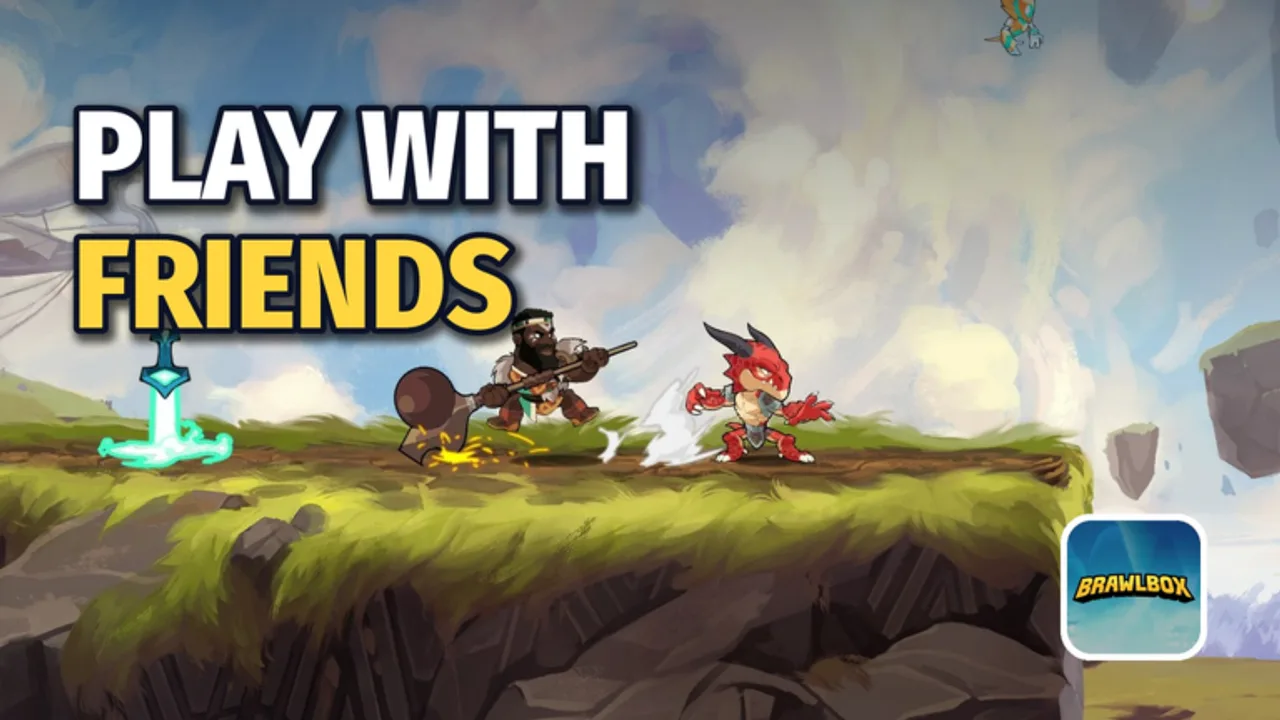
Training Ground is where Brawlbox improvement becomes measurable. The free Roblox 2D platform fighter gives you CPU practice, online modes, ranked ladders, and a Training Ground space built for deliberate reps—plus replays and cosmetics as you progress. This guide shows how to practice combos, build DI and recovery habits, use recording or replay tools when your client offers them, and run a short warm-up before casual or ranked.
Pair drills with Controls so binds are not fighting you, Getting Started for mode context, How to Win Matches for converting practice into stocks, and Ranked Ladder for when to take drills online. Legend identity and strength snapshots live on Legends Roster, the Tier List, and Legends Tier List.
Why Training Ground beats endless ranked rematches
Ranked is noisy. You get one chance at a recovery, then the match moves on. Training Ground lets you repeat the same launch angle, the same ledge situation, and the same combo route until the input is boring—and boring means reliable.
Use Training Ground to:
- Learn jump height and drift for your current legend.
- Lab a two-to-four hit string that works at low and mid percent.
- Rehearse recovery paths from both sides of the stage.
- Practice DI-style drift habits so you do not always pop the same direction in hitstun.
- Warm up hands before any ladder queue.
Do not use Training Ground only to freestyle fancy clips. Freestyle after the drills, not instead of them.
Combo practice that transfers to real matches
Platform fighter combos die to DI, rage or percent thresholds, and stage position. Practice with those constraints in mind.
Route lab steps:
- Pick one archetype you actually queue (rushdown, zoner, heavy, or mobile). Official names rotate with patches—commit to a moveset feel, not a spreadsheet of every fighter.
- Find a starter that is safe enough to throw in neutral (a grounded poke or safe aerial).
- Add one true or highly reliable follow-up at low percent.
- Add a kill-oriented ender for high percent—or note when you should stop extending and start edgeguarding.
- Repeat the route from center stage, near ledge, and off a short platform if the stage has one.
Rules for honest labbing:
- If a string only works when the dummy stands still and never DI drifts, label it a “confirm versus miss” tool, not a true combo.
- Practice the reset: when the string breaks, what safe option do you take?
- Cap lab time per route (ten minutes). Then take the route into a CPU set or casual game to validate.
Cross-check whether your archetype is worth the lab investment using soft signals from the Tier List and current Patch Notes, remembering tiers move weekly.
DI and hitstun habits
DI (directional influence style drifting while in hitstun) changes where you fly. Even when exact frame data is hidden, the habit matters:
- Survive DI: drift to keep yourself toward stage or away from the blast zone when percent is high.
- Escape DI: drift to break combo routes when you recognize a string.
- Mix DI: do not always hold the same direction; predictable DI makes you easy to confirm.
DI drill:
- Have a CPU or friend launch you with the same move.
- First five reps: drift in to survive toward stage.
- Next five: drift out or alternate to break follow-ups.
- Note which drift makes the next hit miss.
On controller, this is stick discipline. On keyboard, it is holding the correct direction before you panic jump. On touch, pre-position your movement thumb so you can drift without hunting the pad. See Controls if drift inputs feel awkward.
Recovery habits worth drilling daily
Most beginner stocks die offstage, not from center-stage outplays.
Daily recovery circuit (about four minutes):
- Walk off stage left, recover high to ledge or stage—five reps.
- Walk off stage right, recover low or mix height—five reps.
- Take a hit offstage (CPU hit or self-launch if available), then recover with intentional double-jump timing—five reps.
- Recover, then immediately defend ledge (spot dodge, attack, or jump) so you do not die on the return—five reps.
Goals:
- Never spend double jump on the first frame of panic.
- Never use the recovery special with zero plan.
- Mix high and low returns so edgeguarders cannot sleep on one pattern.
When this circuit is clean, practice the other side of the coin: edgeguarding a CPU that tries to recover. That conversion skill is expanded in How to Win Matches.
Recording, replays, and review
Brawlbox lists replays among its features. Availability and UI labels can change with weekly updates, so explore the pause or end-of-match menus in your current build.
If replays or recording are available:
- Save losses more often than highlight wins.
- Watch at reduced speed around the moment you left stage or whiffed a punish.
- Write one sentence: “I jumped too early,” “I ignored percent,” or “I chased offstage with no jump.”
- Convert that sentence into tomorrow’s Training Ground focus.
If you can record CPU patterns or friend inputs in Training Ground:
- Record a linear approach and practice dodge-into-punish.
- Record a recovery and practice two edgeguard timings.
- Keep recordings short; long scripts become entertainment instead of reps.
No replay system replaces live adaptation, but a two-minute review beats queuing angry. After review, decide casual versus ranked using Ranked Ladder.
Warm-up routine before queues (8–10 minutes)
Use this before casual blocks or ranked ladders:
- Minute 0–1 — Hands. Movement only: run, stop, turn, jump, land. No attacks.
- Minute 1–3 — Offense. Ten grounded pokes, ten aerials with clean landings, five specials that you actually use in neutral.
- Minute 3–6 — Recovery circuit. The left/right/mix circuit above.
- Minute 6–8 — Defense. Dodge a CPU swing or practice get-up options; avoid mash.
- Minute 8–10 — One focused stock. Play a CPU stock with a single goal (for example “no panic double jump” or “only edgeguard with a plan”).
Then queue. If the warm-up felt terrible, do not open ranked—play casual or stay in Training Ground. That decision saves rating and confidence.
Party and custom lobby practice
Training Ground is solo-friendly, but custom lobbies multiply learning:
- Ask a friend to edgeguard only while you practice recoveries.
- Trade stocks focusing on DI mixes.
- Run best-of sets that mirror ranked 1v1 or 2v2 rules without ladder stress.
Parties and custom rooms support up to larger groups in casual contexts (online play supports up to eight players depending on mode). Use big lobbies for chaos tolerance; use 1v1 customs for clean fundamentals. Tournament codes remain a separate organized path—see Ranked Ladder for that distinction.
What not to waste Training Ground time on
- Labbing five legends in one night.
- Only practicing kill screens that require zero DI.
- Ignoring recovery because combos feel more fun.
- Skipping warm-up because you “already know the game.”
- Chasing unverified scripts or automation—read Scripts as a caution, follow Roblox rules, and invest in reps instead.
Cosmetics unlocks are fine between sets; they do not replace drills. Claim rewards, then return to the circuit. Promo checks belong on Codes when real codes exist—never invent them.
Weekly practice plan (early live-service friendly)
Brawlbox updates weekly. Keep the plan flexible:
- Two days: warm-up + ranked or casual focus on your main archetype.
- One day: lab a patch change or backup archetype after reading Patch Notes.
- One day: custom lobby with a friend for edgeguard and DI wars.
- Ongoing: skim Legends Roster when you need a new pocket feel; use the Tier List as a soft priority list, not a prison.
Cross-links
- Inputs: Controls
- Onboarding: Getting Started
- Conversion: How to Win Matches
- Ladder discipline: Ranked Ladder
- Site map: Guides Hub and Wiki links
Training Ground is not a punishment for losing. It is the fastest way to make the next online session quieter in your hands and louder in your results. Keep drills short, honest, and tied to one mistake at a time.
Frequently Asked Questions
Quick answers about legends, ranked, and codes.
How long should a Brawlbox warm-up take?
Eight to ten minutes is enough: movement, basic offense, a recovery circuit, a short defense drill, and one focused CPU stock before you queue.
What should I practice first in Training Ground?
Recovery and DI habits first, then one realistic combo route. Most early stocks are lost offstage, not from missing a flashy string.
How do I use replays effectively?
Save losses, watch only the decisive moment at lower speed, write one concrete mistake, and turn that mistake into the next day's drill focus.
Can I practice with friends instead of Training Ground?
Yes. Custom lobbies are excellent for edgeguard and DI wars. Still keep a short solo warm-up so your hands are ready before the first real stock.
Should I lab every legend?
No. Lab one primary archetype and optionally one backup. The roster is large and patch-driven; depth beats shallow coverage.
When do I take Training Ground skills into ranked?
After the warm-up feels boringly consistent and you can state one match goal. If drills still feel chaotic, play casual first.