Getting Started with Brawlbox
A first-hour checklist for modes, practice, cosmetics, and ranked readiness.
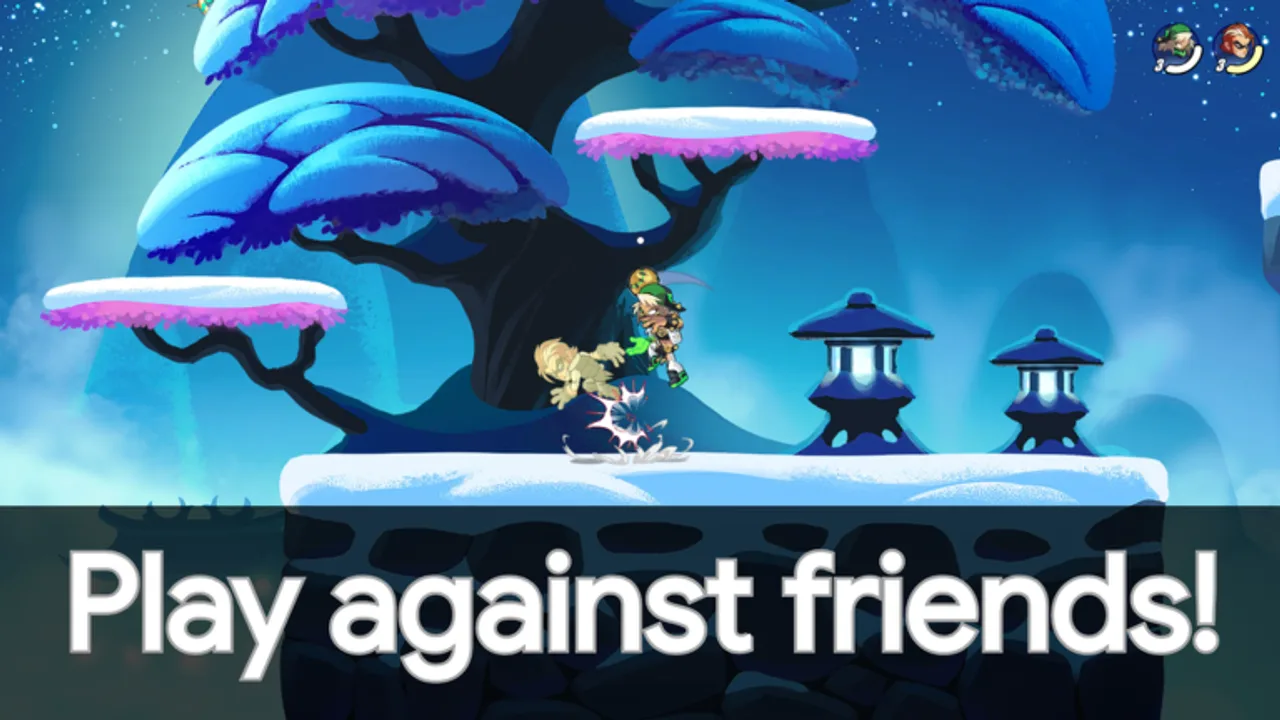
Brawlbox is a free Roblox 2D platform fighter from Temp’s Workshop ([SNAPDASH] Brawlbox on the listing). You knock opponents off stage with percent-and-knockback combat, pick from a large roster of legends that expands and rotates with weekly patches, and play across PC, console, phone, and tablet. This page is your day-one path: learn the modes, set up inputs, warm up in Training Ground, unlock cosmetics without stress, and decide when casual queues or ranked ladders make sense.
Bookmark the Guides Hub and skim Wiki links for the rest of the site map. When you are ready for deeper systems, jump to Controls, Training Ground, Cosmetics and Replays, Ranked Ladder, Custom Lobbies, and How to Win Matches. Roster flavor lives on Legends Roster and strength snapshots on the Tier List plus Legends Tier List. Patch cadence notes sit under Patch Notes. Promo redemption, when live codes exist, is covered on Codes.
First-hour checklist
Use this order on a fresh account so you do not bounce between menus without a plan.
- Launch and confirm device. Open Brawlbox on Roblox from the official experience page. Confirm whether you are on keyboard and mouse, a controller, or touch. Spend two minutes in the settings or pause menu so movement, jump, attack, special, and dodge feel reachable. Details and accessibility tips are in Controls.
- Play a short CPU set. Use CPU practice to feel knockback scaling and blast zones without ranked pressure. Focus on staying on stage, not fancy combos.
- Enter Training Ground. Drill jump height, grounded versus aerial attacks, and one recovery path off the side. See Training Ground for a warm-up routine you can reuse every session.
- Queue casual online. Casual teaches real player timing, DI habits, and stage control without ladder anxiety. Cap the set if you tilt; take a break before ranked.
- Sample ranked only when ready. Ranked offers 1v1 and 2v2 ladders. Enter after you can recover from the ledge and land a basic punish consistently. Climbing habits and tilt management are in Ranked Ladder.
- Peek cosmetics and unlocks. Cosmetics are progression flavor, not power. Unlock what you earn naturally while you learn; do not stall matchmaking for shop browsing alone.
- Party or custom lobby with friends. Custom lobbies and parties let you practice specific rulesets. Tournament join via code is separate from ranked matchmaking—see the ranked guide for that distinction.
- Skim one patch note. Weekly updates change balance and roster availability. A quick pass of Patch Notes keeps your mental stack current.
Modes overview
Brawlbox mixes solo practice with social and competitive queues. Understanding where each mode fits saves hours of mismatched queues.
CPU practice is the safest place to learn hitboxes, percent thresholds, and recovery height. Treat CPUs as moving training dummies, not as a skill ceiling. Once you can edgeguard a CPU without SD-ing, move on.
Casual online supports freeform matches and larger lobbies—up to eight players depending on the room. Use casual to explore legends, test weapon ranges, and learn how real players DI and challenge your approaches. It is also the best place to cool down after a rough ranked streak.
Ranked 1v1 measures individual reads, neutral, and recovery discipline. Ranked 2v2 rewards partner callouts, shared stage control, and knowing when to trade versus stall. Both ladders deserve intentional queues; do not queue ranked while learning a brand-new legend for the first time.
Custom lobbies and parties let you host friends, set comfort rules, and drill specific scenarios. Tournament join via code is for organized brackets—enter only when you have a code from an organizer. It is not a substitute for casual or ranked queues.
Training Ground and replays sit beside matchmaking. Training builds muscle memory; replays (when available in your client build) show why a stock died. Pair them with the win-condition ideas in How to Win Matches.
Where Training Ground fits
New players often skip Training Ground and lose stocks to the same recovery mistake for days. Spend ten focused minutes before your first serious online block:
- Practice double-jump timing and horizontal drift so you can aim recoveries toward ledge or stage.
- Hit a training target or dummy with a short grounded string, then an aerial follow-up, then reset.
- Rehearse one dodge timing window and one get-up option so you are not mashing on wakeup.
- If replays are available, save one loss and watch only the last stock—look for panic jumps and missed edgeguards.
When that loop feels boring, you are ready. Boredom in Training Ground usually means consistency is arriving. Expand the routine using Training Ground.
Cosmetics and progression without FOMO
Brawlbox includes cosmetics to unlock as you play. Treat them as celebration of time spent, not as a gate on competitive readiness. Prioritize:
- Finishing your first CPU and casual sets so you understand combat before hunting skins.
- Unlocking cosmetics that help you recognize your own character silhouette on busy stages.
- Checking Codes only when the wiki lists verified, currently working redemptions—never invent or share unverified strings.
If a weekly update adds new cosmetic tracks, claim what you can after your warm-up, not instead of it.
Choosing legends without memorizing every name
The roster sits around seventy legends with distinct weapons and moves, and it expands or rotates with patches. Do not freeze because you cannot memorize every official name on day one. Instead pick by archetype:
- Rushdown / close-range pressure if you like forcing scrambles.
- Zoner / spacing if you prefer poking and denying approaches.
- Heavy / knockback specialists if you want committed swings that send early at high percent.
- Mobile / recovery-focused if you struggle with offstage life and need forgiving return paths.
Try two archetypes in casual, then commit to one for a ranked block. Cross-check community strength snapshots on the Tier List and Legends Tier List, and browse identity notes on Legends Roster. Remember tiers shift after weekly balance—always pair tier pages with Patch Notes.
Controls before ranked
Input comfort beats fancy tech. Before you queue ladder:
- Confirm jump and attack are not fighting each other on your device.
- Practice a intentional dodge instead of panic mash.
- Learn one recovery input sequence you can repeat under stress.
Full device coverage (keyboard, controller, touch) and accessibility framing live in Controls. If touch controls feel cramped, try a larger tablet layout or a controller on a supported console or PC setup.
When to open ranked—and when to stay casual
Queue ranked when you can:
- Recover to ledge without random double-jumping into hits.
- Recognize when you are at kill percent and play safer.
- Take a loss without immediately rematching while tilted.
Stay in casual or Training Ground when you are learning a new archetype, testing a post-patch change, or coming back after a long break. The Ranked Ladder page covers 1v1 versus 2v2 differences, climb habits, and how tournament codes differ from ladder queues.
Scripts and third-party tools (read carefully)
Some players look for automation or helper scripts. Anything that violates Roblox rules can risk your account. If you research the topic at all, treat the Scripts hub as informational context only and follow official platform policies. Competitive improvement in Brawlbox comes from Training Ground, replays, and deliberate match reviews—not shortcuts.
What to read next
After this checklist:
- Controls — lock in device-specific inputs.
- Training Ground — build a repeatable warm-up.
- How to Win Matches — edgeguards, stage control, stock management.
- Ranked Ladder — climb with tilt control.
- Legends Roster and Tier List — refine who you main.
Brawlbox is still early live-service (created 2026-10-09) with weekly updates. Expect menus, roster presentation, and mode labels to evolve. Revisit this getting-started path after major patches so your first-hour habits stay aligned with the current build.
Frequently Asked Questions
Quick answers about legends, ranked, and codes.
What should I do in my first hour of Brawlbox?
Set up controls for your device, play a short CPU set, spend time in Training Ground on recovery and basic strings, then queue casual before touching ranked 1v1 or 2v2.
When should I start ranked ladders?
Start ranked after you can recover to ledge consistently, recognize kill percent, and take losses without tilting. Until then, prefer casual and Training Ground.
Do cosmetics make legends stronger?
No. Cosmetics are unlockable flair. Focus on archetype comfort and fundamentals first; claim cosmetics between sets, not instead of practice.
How is tournament join via code different from ranked?
Ranked 1v1 and 2v2 are ladder matchmaking. Tournament join via code is for organized brackets when an organizer shares a code—it is not the same queue.
Where do I learn controls for phone versus PC?
Use the dedicated Controls guide for keyboard and mouse, controller, and mobile touch layouts, plus accessibility tips for smaller screens.
Should I memorize every legend name on day one?
No. Pick by archetype (rushdown, zoner, heavy, mobile), try two in casual, then commit. The roster expands and rotates with patches, so habits matter more than memorizing every name.